From Concept to Creation Custom Rubber Molding in Manufacturing
Understanding Custom Rubber Molding Processes
Overview of Rubber Molding Techniques
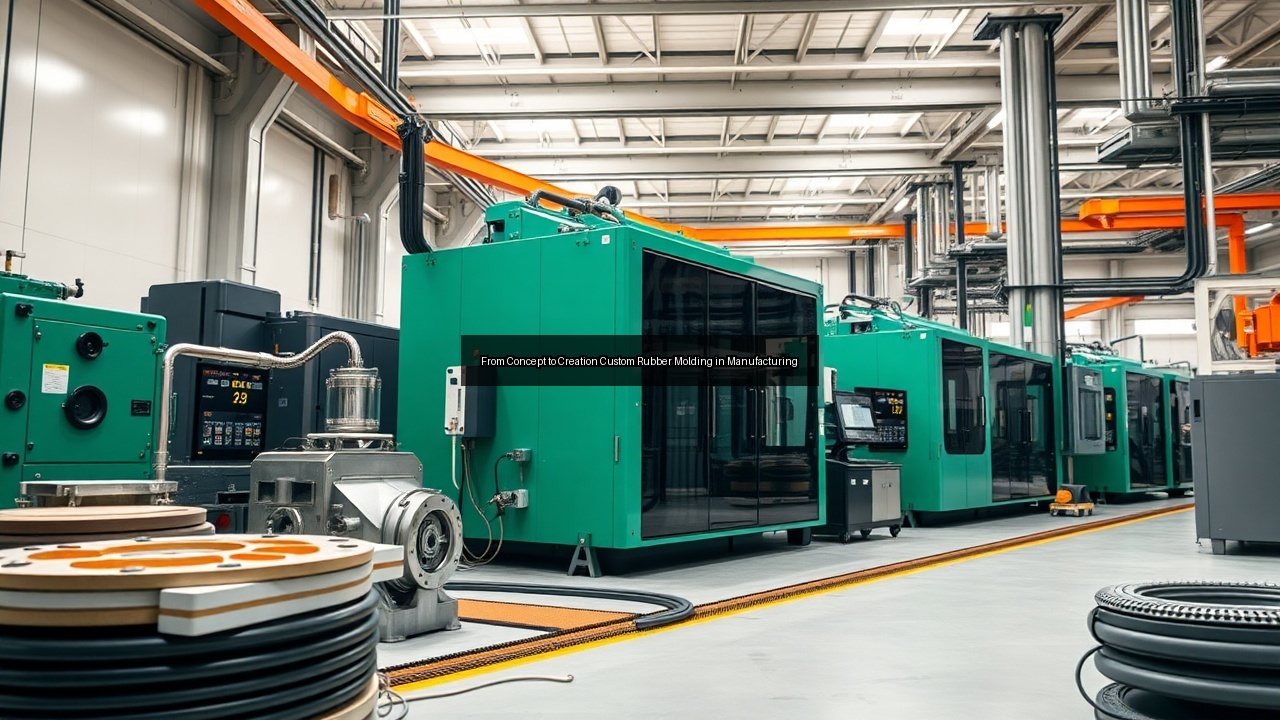
Custom rubber molding transforms elastomer materials into precise components that meet exact specifications across industries. Manufacturers heat and shape raw rubber under controlled conditions to create gaskets, bushings, and grommets that deliver consistent performance. This process supports everything from simple seals to complex rubber shapes designed for demanding environments. Engineers select techniques based on part geometry, production volume, and material properties such as EPDM or silicone. The approach allows tight integration of design features like undercuts and varying wall thicknesses that extrusion methods cannot achieve. Custom rubber molding reduces waste compared with machining plastic alternatives while providing superior flexibility and vibration resistance. Companies rely on these techniques to move quickly from prototype to full-scale manufacturing without sacrificing quality or repeatability.
Injection Molding vs. Compression Molding
Injection molding forces preheated rubber into a closed mold cavity at high pressure, producing intricate parts with excellent surface finish and minimal flash. This method excels at high-volume runs where cycle times must stay short and tolerances remain tight. Compression molding, by contrast, places a measured rubber charge directly into an open mold that closes under heat and pressure to cure the material. It suits larger components and lower production quantities where tooling costs need to stay modest. Both processes support custom rubber molding projects, yet injection molding offers faster throughput while compression molding handles thicker sections without flow defects. Manufacturers evaluate material flow characteristics, part complexity, and required mechanical properties before choosing between the two. Proper mold temperature control and pressure settings determine final part density and dimensional stability in either case.
Transfer Molding: A Hybrid Approach
Transfer molding combines elements of both injection and compression methods by forcing rubber through a sprue into a closed mold cavity. This technique delivers uniform pressure across intricate geometries while minimizing trapped air that can cause voids. Manufacturers use transfer molding for parts requiring metal inserts or delicate bonding operations that demand precise material placement. The process maintains tight tolerances on features such as sealing lips and mounting holes common in automotive and industrial applications. Custom rubber molding via transfer methods also accommodates a wide range of durometers and compounds including silicone and EPDM. Tool design plays a critical role, as runners and gates must balance fill speed with minimal material waste. Engineers often select transfer molding when parts need both structural integrity and clean parting lines that simplify secondary finishing operations.
Key Components of Custom Rubber Molding
Materials Used in Rubber Molding
Elastomer selection drives performance in every custom rubber molding project. EPDM offers excellent weather and ozone resistance for outdoor seals, while silicone withstands extreme temperatures in food and medical applications. Nitrile provides oil compatibility for automotive gaskets, and fluorocarbon compounds handle aggressive chemicals. Manufacturers compound these base polymers with fillers, curatives, and plasticizers to achieve specific hardness, elongation, and compression set values. Material consistency directly affects mold filling and final part tolerances. Custom rubber molding suppliers maintain detailed compound data sheets that list physical properties and recommended cure cycles. Engineers test batches for viscosity and scorch time before production begins to prevent defects. Proper material choice ensures the finished component meets both functional requirements and regulatory standards in its intended environment.
The Role of Molds in Manufacturing
Molds serve as the foundation of precision in custom rubber molding. Tooling must withstand repeated heat and pressure cycles while maintaining cavity dimensions within tight tolerances. Manufacturers machine molds from hardened steel or aluminum depending on production volume and part complexity. Multi-cavity designs increase output for high-volume runs of rubber shapes such as bumpers and grommets. Proper venting and parting line placement prevent flash and trapped air that compromise part integrity. Temperature control channels inside the mold ensure uniform curing across thick and thin sections alike. Custom rubber molding projects often require prototype molds for design validation before committing to production tooling. Regular maintenance, including polishing and inspection for wear, extends tool life and protects part quality throughout the manufacturing campaign.
Design Considerations for Custom Rubber Products
Effective design for custom rubber molding accounts for material shrinkage, draft angles, and undercuts that affect demolding. Engineers incorporate radii at corners to reduce stress concentrations and improve flow during filling. Wall thickness uniformity prevents sink marks and incomplete cures that weaken the finished part. Custom rubber molding allows incorporation of metal inserts through bonding techniques that create strong mechanical interlocks. Designers specify surface textures and color requirements early so mold surfaces can be prepared accordingly. Tolerances on critical dimensions such as seal diameters and mounting holes must balance functional needs with process capability. Simulation software helps predict fill patterns and cure times before tooling is cut. Collaboration between the customer and manufacturer during the design phase prevents costly revisions later in the project.
Quality Control and Tolerances in Rubber Manufacturing
Importance of ISO Standards in Rubber Molding
ISO certification establishes consistent processes that manufacturers follow when producing custom rubber molding components. Standards such as ISO 9001 require documented procedures for material handling, mold setup, and process monitoring. Compliance ensures every batch of molded rubber meets the same performance benchmarks regardless of production date. Automotive and food packaging customers often mandate ISO compliance as a prerequisite for supplier approval. Regular audits verify that equipment calibration and operator training align with documented quality plans. ISO frameworks also guide traceability from raw elastomer lots through finished parts, allowing rapid root-cause analysis when issues arise. Manufacturers that maintain these standards reduce variability in tolerances and mechanical properties across large production runs of gaskets, bushings, and vibration isolators.
Techniques for Ensuring Tolerances
Achieving tight tolerances in custom rubber molding requires precise control of temperature, pressure, and cure time. Manufacturers use closed-loop systems that adjust press parameters in real time based on sensor feedback. Proper mold design includes compensation for material shrinkage that varies with compound and geometry. Statistical process control tracks dimensional data from sampled parts to detect drift before parts fall outside specification. Custom rubber molding projects often employ first-article inspection to validate tooling and process settings against customer drawings. Post-cure trimming and deflashing operations must also maintain accuracy on critical surfaces. Engineers specify tolerance bands that reflect both functional requirements and realistic process capabilities for the chosen molding method. Consistent monitoring prevents scrap and ensures parts such as grommets and seals fit correctly during customer assembly.
Inspection Processes for Molded Rubber Products
Inspection begins with incoming material verification and continues through final packaging of custom rubber molding output. Dimensional checks using optical comparators and CMMs confirm critical features remain within tolerance. Visual examination detects surface defects such as blisters, flow marks, and contamination. Hardness testing and tensile pulls verify that mechanical properties match compound specifications. For applications involving noise and vibration damping, manufacturers perform dynamic testing on sample parts to confirm performance. Custom rubber molding suppliers document all inspection results and retain samples for traceability. Clean room environments add particle counting and bioburden testing when products serve food packaging or medical markets. Thorough inspection protects both the manufacturer and customer by catching deviations early and maintaining consistent part quality across every production lot.
Applications of Custom Rubber Molding
Custom Rubber Shapes in Automotive Industry
Automotive manufacturers depend on custom rubber molding for seals, grommets, and engine mounts that withstand heat, oil, and vibration. EPDM and silicone compounds resist underhood temperatures while maintaining flexibility over years of service. Injection-molded rubber shapes create weather-tight door and window seals that reduce cabin noise. Compression-molded bumpers and bushings absorb road impacts and extend component life. Transfer molding supports bonded metal-rubber assemblies used in suspension systems. Custom rubber molding allows rapid design iterations when vehicle platforms change. Suppliers work closely with automotive engineers to meet stringent tolerances and durability targets required for long-term warranties. These molded parts contribute directly to vehicle reliability, passenger comfort, and regulatory compliance worldwide.
Rubber Components for Food Packaging
Food packaging equipment requires custom rubber molding parts that meet strict hygiene and regulatory standards. Silicone and EPDM compounds resist cleaning chemicals while maintaining seal integrity during high-speed operations. Gaskets and grommets produced through custom rubber molding prevent leaks around filling nozzles and conveyor systems. Clean room manufacturing ensures no particulates contaminate surfaces that contact edible products. Manufacturers validate materials for extractables and migration to protect food safety. Custom rubber shapes such as valve seats and flexible couplings improve packaging line efficiency and reduce downtime. Inspection protocols include surface finish checks that confirm smoothness needed for sanitary performance. These components help processors maintain throughput while complying with FDA and EU food contact regulations.
Noise and Vibration Damping Solutions
Custom rubber molding delivers effective noise and vibration control in industrial machinery, vehicles, and consumer products. Elastomer compounds absorb energy through internal friction that converts vibration into low-grade heat. Molded bushings and mounts isolate sensitive electronics and reduce structure-borne noise. Custom rubber shapes designed with specific durometers and geometries target particular frequency ranges for maximum damping. Bonding techniques integrate rubber with metal frames to create robust isolators that withstand dynamic loads. Manufacturers test prototypes on vibration tables to confirm performance before full production. Custom rubber molding allows integration of multiple functions such as sealing and damping within a single part. These solutions improve equipment longevity and operator comfort across automotive, aerospace, and manufacturing environments.
Choosing the Right Manufacturer for Custom Rubber Molding
Evaluating Manufacturer Expertise and Experience
Selecting a manufacturer for custom rubber molding begins with reviewing their track record in similar projects. Experience with specific compounds like EPDM and silicone, along with various molding technologies, indicates capability to handle complex designs. Manufacturers should demonstrate successful production of parts with tight tolerances and bonded inserts. Case studies and customer references provide concrete evidence of consistent quality and on-time delivery. Technical staff with deep engineering knowledge can advise on design improvements that reduce cost without sacrificing performance. Longevity in the industry often correlates with refined processes and reliable tooling maintenance programs. Customers benefit when the manufacturer has solved similar challenges in automotive, food packaging, or vibration control applications. Thorough evaluation prevents costly missteps during the transition from concept to production.
Factors to Consider in Manufacturer Selection
Beyond expertise, manufacturers must offer competitive lead times, transparent pricing, and scalable capacity for custom rubber molding. Tooling ownership terms and revision policies affect long-term project costs. Proximity to the customer can reduce shipping expenses and simplify communication during development. Availability of secondary services such as custom extrusions, bonding, and clean room assembly streamlines supply chains. Manufacturers that invest in modern injection, compression, and transfer molding equipment deliver higher repeatability and faster cycle times. Clear communication channels and responsive project management keep custom rubber molding programs on schedule. Customers should also verify financial stability to ensure the supplier remains a reliable partner throughout the product lifecycle. These factors combine to determine overall value rather than lowest unit price alone.
The Importance of Clean Room Standards in Rubber Production
Clean room standards protect custom rubber molding parts destined for food, medical, and electronics markets. Controlled environments limit airborne particles that could compromise seal surfaces or introduce contamination. Manufacturers maintain ISO-classified clean rooms equipped with HEPA filtration and gowning protocols. These facilities support production of silicone components and gaskets where purity directly affects end-use safety. Regular monitoring of particle counts and bioburden ensures ongoing compliance. Custom rubber molding inside clean rooms requires specialized mold handling and material transfer procedures that prevent cross-contamination. Customers in regulated industries often audit these facilities before approving suppliers. Clean room capabilities expand the range of applications a manufacturer can support and demonstrate commitment to the highest quality levels in rubber production.