Understanding Linear Taper and Its Impact on Rotating Electrical Connectors
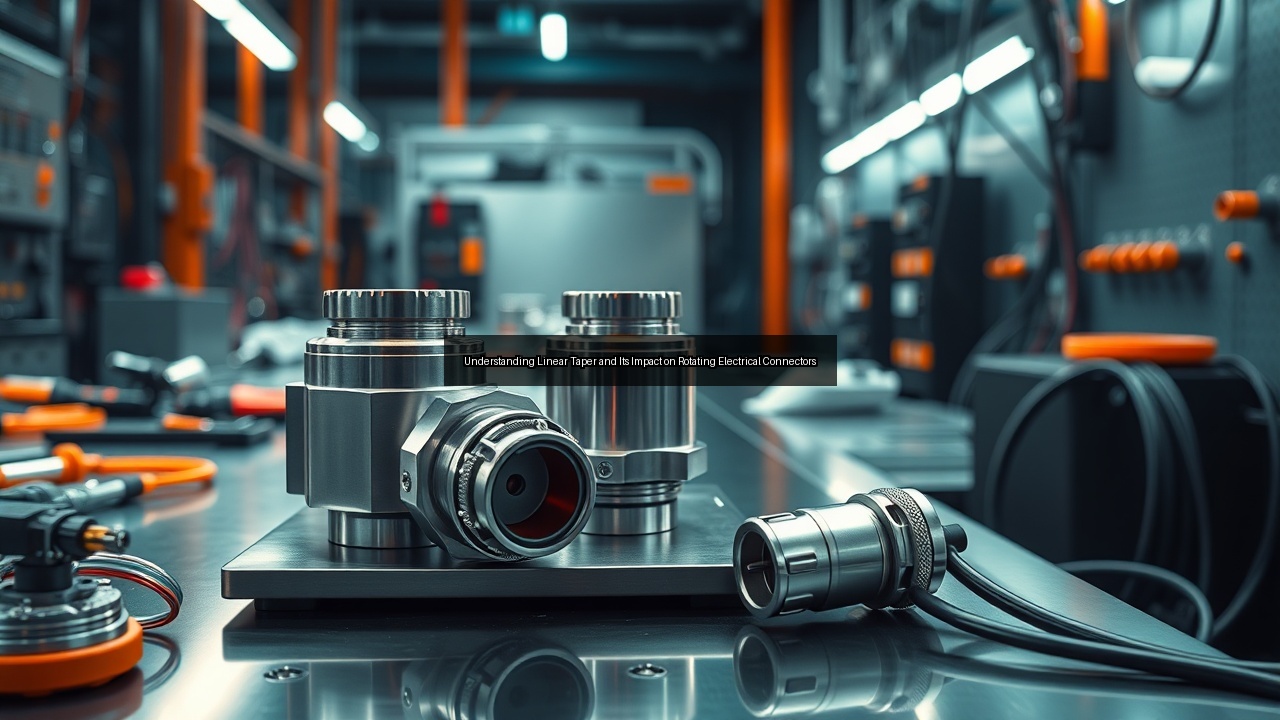
Introduction to Rotating Electrical Connectors
Overview of Rotating Electrical Connectors
Rotating electrical connectors serve a crucial role in various applications that require the transfer of electrical signals while allowing for rotational movement. These connectors, often referred to as rotary connectors, maintain electrical continuity in environments where movement is essential, such as in industrial machinery, robotics, and telecommunications. The design of rotating electrical connectors accommodates both the need for reliable electrical performance and the ability to handle significant mechanical stress. As systems grow increasingly complex, the demand for efficient and robust rotating electrical connectors continues to rise.
Importance in Modern Applications
Modern applications rely heavily on rotating electrical connectors for their versatility and reliability. Industries such as aerospace, automotive, and manufacturing utilize these connectors to manage power and data transmission in rotating systems. For example, in aerospace, engineers depend on these connectors to transmit high voltage and data signals in aircraft landing gear and other movable components. Additionally, rotating electrical connectors enhance the functionality of equipment by minimizing downtime and maintenance costs, ultimately improving operational efficiency. Their ability to integrate seamlessly with advanced technologies further underscores their importance in contemporary engineering solutions.
Key Components of Rotating Connectors
Rotating electrical connectors consist of several vital components that contribute to their performance. The primary elements include the rotor, stator, slip rings, and brushes. The rotor spins, while the stator remains stationary, allowing for continuous electrical connections during motion. Slip rings, integral to the design, facilitate the transfer of electrical signals from the stationary to the rotating parts. Brushes maintain contact with the slip rings, ensuring consistent electrical flow. Other components, such as wiring and housing, protect against environmental factors and mechanical wear. Understanding these components helps in selecting the right rotating electrical connector for specific applications, enhancing overall system reliability.
Understanding Linear Taper in Rotating Electrical Connectors
Definition of Linear Taper
Linear taper refers to the gradual increase or decrease of resistance within a rotating electrical connector over its range of motion. This design feature plays a vital role in applications that require smooth and consistent electrical performance as the connector rotates. Unlike other taper types, such as logarithmic or audio tapers, linear taper provides a uniform response, enabling precise control over current flow. This characteristic is particularly beneficial in scenarios where speed and accuracy in signal transmission are paramount. Understanding linear taper helps engineers design systems that require predictable electrical behavior throughout the connector's motion.
How Linear Taper Affects Performance
The performance of rotating electrical connectors significantly depends on the type of taper used. Linear taper ensures that the electrical resistance changes uniformly, allowing for predictable performance in both low and high voltage applications. This uniformity reduces the risk of signal distortion, which can occur with non-linear tapers. In high-speed applications, where rapid rotation is common, linear taper excels by providing consistent performance under varying loads and speeds. Engineers often select linear taper designs for systems demanding high reliability, such as those in aerospace or medical devices, where even minor fluctuations in performance can lead to failures.
Comparison with Other Taper Types
Comparing linear taper with other taper types reveals distinct advantages and disadvantages. Non-linear tapers, such as logarithmic, offer benefits in audio applications where sensitivity varies across a range. However, these tapers may introduce unpredictability in electrical connectors intended for high-performance environments. In contrast, linear taper provides straightforward and consistent electrical characteristics, making it ideal for applications involving critical data and power transmission. The choice between linear and other taper types ultimately hinges on the specific requirements of the application, including speed, voltage levels, and the need for reliability in signal integrity.
Applications and Benefits of Rotating Electrical Connectors
Use in High Voltage Environments
Rotating electrical connectors excel in high voltage environments, where they ensure safe and efficient power transmission. Industries such as energy generation and distribution utilize these connectors to manage the substantial electrical loads associated with high voltage systems. The robust design of rotating connectors allows them to handle electrical surges while maintaining performance and safety. Additionally, advancements in materials and engineering have led to connectors that can withstand extreme conditions, including temperature variations and exposure to corrosive substances. As a result, rotating electrical connectors help prevent failures and enhance the longevity of high voltage systems, thereby reducing overall operational costs.
Integration with Wireless Technology
The integration of rotating electrical connectors with wireless technology marks a significant leap in industrial and consumer applications. Wireless technology minimizes the need for physical wiring, thus enhancing flexibility and reducing wear on connectors. As systems evolve towards more wireless solutions, the role of rotating electrical connectors adapts to meet these changes. For instance, in robotics, connectors facilitate the transmission of power alongside wireless communication, allowing for seamless operation without physical connections. This synergy between rotating electrical connectors and wireless technology enhances the functionality of devices, paving the way for innovative solutions in automation and smart systems.
Role of Slip Rings in Rotary Electrical Contacts
Slip rings are critical components in rotary electrical contacts, enabling continuous electrical connections between stationary and rotating parts. They facilitate the transfer of power and data across rotating systems, allowing for uninterrupted operation. In applications where rotating electrical connectors are employed, slip rings ensure that signals remain stable regardless of the rotational speed. The design of slip rings varies based on the specific requirements of the application, including the number of circuits, load capacity, and environmental factors. By optimizing slip ring design, manufacturers enhance the performance and reliability of rotating electrical connectors, making them indispensable in modern engineering.
Conclusion: The Future of Rotating Electrical Connectors
Trends in Connector Technology
The future of rotating electrical connectors promises exciting advancements driven by emerging technologies. Trends indicate a shift towards more compact and lightweight designs without compromising performance. Manufacturers are increasingly using advanced materials that enhance durability and reduce wear, which is crucial in high-demand environments. Additionally, the integration of smart technology into connectors allows for real-time monitoring of performance metrics. These innovations not only improve efficiency but also provide valuable data that can inform maintenance practices, thereby extending the life of the connectors and the systems they serve.
Impact of Adapters on Connectivity
Adapters play a pivotal role in enhancing the connectivity of rotating electrical connectors. They enable compatibility between different connector types and systems, facilitating seamless integration. As industries adopt diverse technologies, the demand for versatile adapters increases. Adapters allow for the quick and easy interchange of rotating electrical connectors, minimizing downtime during maintenance or upgrades. This adaptability supports the ongoing evolution of electrical systems, ensuring that various components can work together efficiently, regardless of their original design specifications. The emphasis on interoperability will continue to shape the development of rotating electrical connectors in the coming years.
Challenges and Innovations Ahead
While the landscape of rotating electrical connectors evolves, challenges remain. Engineers face pressure to create connectors that withstand harsher environments and higher performance demands. Innovations in design and materials science will address these issues, leading to more resilient and efficient connectors. For instance, advancements in insulation materials can enhance the performance of rotating electrical connectors in high voltage applications. Additionally, further research into automated manufacturing processes will streamline production, reducing costs and improving quality. As industries continue to innovate, rotating electrical connectors will adapt, ensuring they meet the future needs of technology and engineering.
See Also
- Exploring the Benefits of Slip Rings in Modern Rotating Electrical Connectors
- How Rotating Electrical Connectors Enhance Performance in Turbine Applications
- Why Every Engineer Should Understand Rotating Electrical Connectors
- The Intersection of Design and Functionality in Rotating Electrical Connectors
- Future Trends in Rotating Electrical Connector Technology