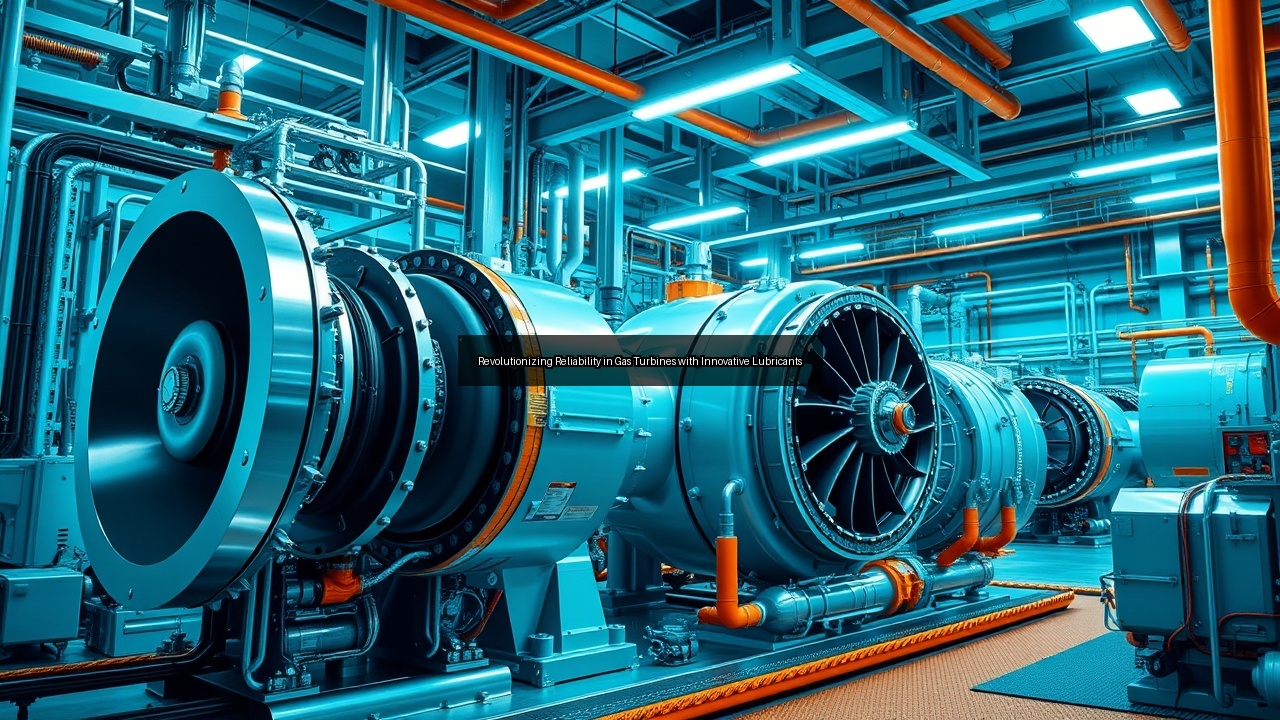
Revolutionizing Reliability in Gas Turbines with Innovative Lubricants
The Importance of Lubrication in Power Generation
Understanding Lubrication Systems in Power Plants
Lubrication systems in power plants serve as the backbone of operational efficiency, particularly in gas turbines. These systems ensure that moving parts within turbines operate smoothly, reducing friction and wear. Proper lubrication is essential in preventing overheating and mechanical failures, which can lead to extended downtime and costly repairs. In a typical power generation setup, lubrication systems vary based on the specific needs of the equipment, including oil types and application methods. Many plants utilize centralized lubrication systems that can distribute oils and greases effectively, ensuring that every vital component receives the necessary protection. This structured approach to lubrication not only enhances the lifespan of turbine components but also contributes to optimal energy generation.
The Role of Lubricants in Enhancing Uptime and Reliability
Lubricants play a crucial role in enhancing uptime and reliability within power generation environments. High-quality lubricants reduce friction between moving parts, improving operational efficiency and minimizing wear. They form a protective film that prevents metal-to-metal contact, thereby extending the life of critical components in gas turbines and other machinery. Furthermore, reliable lubricants can help maintain consistent performance levels, which translates into uninterrupted electricity generation. In the competitive landscape of energy production, where every second counts, the role of lubricants cannot be overstated. By ensuring equipment operates smoothly, lubricants directly contribute to increased reliability and reduced maintenance costs, making them indispensable in power generation facilities.
Impact of Cleanliness on Lubrication Efficiency
Cleanliness significantly affects lubrication efficiency in power generation systems. Contaminants such as dirt, dust, and moisture can compromise the integrity of lubricants, reducing their effectiveness. In gas turbines, even minute particles can lead to varnish formation, which clogs lubrication systems and impairs performance. Implementing stringent cleanliness protocols ensures that lubricants remain pure and effective. Regular monitoring and filtration systems are necessary to maintain the cleanliness of lubricants, as they safeguard against potential failures. Power plants that prioritize cleanliness not only prolong the life of their lubricants but also enhance overall operational reliability. This focus on cleanliness ultimately leads to improved efficiency, reduced downtime, and increased profitability in electricity generation.
Innovative Lubricants for Gas Turbines
Types of Lubricants Used in Gas Turbines
Gas turbines require specialized lubricants designed to withstand extreme temperatures and pressures. The most common types include turbine oils, which are formulated with additives to enhance thermal stability and oxidation resistance. These oils ensure that components remain lubricated even under high-stress conditions. Additionally, greases are often utilized in specific applications where a thicker lubricant is necessary to adhere to surfaces and provide long-lasting protection. Synthetic lubricants have gained popularity due to their superior performance characteristics, offering improved efficiency and reduced maintenance intervals. Each type of lubricant plays a vital role in keeping gas turbines operational, ensuring that power generation processes run smoothly without interruptions.
Advancements in Turbine Oils and Greases
Recent advancements in turbine oils and greases have revolutionized the lubrication landscape for gas turbines. Manufacturers now develop lubricants that incorporate cutting-edge technology, offering enhanced performance in extreme environments. These advanced formulations often include additives that improve oxidation stability, protect against wear, and resist varnish formation. Some newer turbine oils feature extended drain intervals, allowing for longer periods between oil changes and reducing maintenance costs. The development of biodegradable lubricants also addresses environmental concerns, making them suitable for use in hydroelectric and wind power plants. As technology evolves, these innovations will continue to drive improvements in lubrication efficiency, reliability, and overall power generation processes.
Case Studies: Success Stories in Gas Turbine Maintenance
Numerous case studies highlight the success of innovative lubricants in gas turbine maintenance. For instance, a leading power generation facility implemented a new synthetic turbine oil that significantly reduced wear on bearings and other components. This change led to an impressive 20% reduction in maintenance costs and increased uptime. Another case involved a hydroelectric power plant that adopted advanced grease formulations for its turbine bearings, resulting in enhanced reliability and a decrease in varnish-related failures. These success stories demonstrate how selecting the right lubricants can transform operational efficiency, reduce downtime, and ultimately enhance the reliability of gas turbines in power generation.
Mitigating Downtime with Advanced Lubrication Technologies
Condition Monitoring: Predictive Maintenance for Power Generation
Condition monitoring integrates advanced technologies that allow power plants to predict maintenance needs before failures occur, significantly mitigating downtime. By using sensors and data analytics, operators can monitor the condition of lubricants and machinery in real-time. This proactive approach enables teams to identify potential issues such as abnormal temperature spikes or viscosity changes in lubricants. As a result, power generation facilities can perform maintenance at optimal times, avoiding unplanned outages and costly repairs. Implementing condition monitoring not only enhances the reliability of gas turbines but also supports efficient inventory management by ensuring that lubricant stocks correspond with actual operational needs.
Varnish Prevention and Its Role in Reliability
Varnish formation poses a significant threat to the reliability of gas turbines. This sticky residue can accumulate in lubrication systems, leading to blockages and impaired performance. Advanced lubricants now include additives specifically designed to prevent varnish formation. Regular oil analysis helps facilities detect varnish precursors early, allowing for timely corrective actions. By prioritizing varnish prevention, power plants can maintain optimal lubrication efficiency and enhance the reliability of their turbines. This focus not only reduces maintenance costs but also ensures that electricity generation remains uninterrupted, supporting the overall efficiency of power generation operations.
Inventory Management for Lubricants in Power Plants
Effective inventory management of lubricants plays a crucial role in maintaining operational efficiency in power plants. Keeping track of lubricant stocks, usage rates, and expiration dates ensures that facilities have the right lubricants on hand when needed. Implementing a robust inventory management system allows plants to optimize lubricant supplies, reducing waste and minimizing costs. Additionally, well-managed lubricant inventories support proactive maintenance strategies by ensuring that high-quality products are always available. This efficiency is particularly vital in environments such as mining and hydroelectric power plants, where machinery operates continuously under demanding conditions. By streamlining lubricant inventory processes, power generation facilities can enhance reliability and reduce downtime significantly.
The Future of Lubrication in Energy Generation
Sustainable Lubrication Solutions for Hydroelectric and Wind Power
Sustainability is becoming a focal point in the development of lubrication solutions for hydroelectric and wind power. Manufacturers are exploring biodegradable and environmentally friendly lubricants that meet performance standards while minimizing ecological impact. These sustainable options help power plants comply with stringent regulations and appeal to environmentally conscious stakeholders. Innovations in this space include plant-based oils and synthetic alternatives designed to break down more easily in natural environments. By adopting sustainable lubrication solutions, hydroelectric and wind power facilities can enhance their operational efficiency while contributing positively to the environment.
The Intersection of OEM Expertise and Innovative Lubricants
Collaboration between original equipment manufacturers (OEMs) and lubricant developers leads to innovative solutions tailored for specific machinery. OEMs possess extensive expertise in the operational demands of gas turbines, enabling them to provide valuable insights into lubricant formulations that maximize performance. This partnership ensures that lubricants align with the unique requirements of turbines, enhancing protection against wear and optimizing efficiency. As technology advances, such collaborations are crucial for developing cutting-edge lubricants that meet evolving power generation challenges, ultimately improving reliability and uptime in energy production.
Cost-Effective Maintenance Strategies in Nuclear and Gas Turbines
Cost-effective maintenance strategies are essential for ensuring the long-term viability of nuclear and gas turbines. The integration of advanced lubricants with predictive maintenance tools allows facilities to reduce overall maintenance costs while enhancing reliability. By using high-performance lubricants, plants can extend service intervals and minimize the frequency of oil changes. Additionally, employing condition monitoring systems enables operators to schedule maintenance based on actual equipment needs rather than arbitrary timelines. This targeted approach to maintenance not only reduces costs but also ensures that power generation remains efficient and uninterrupted, supporting the demand for reliable electricity across various sectors.
See Also
- Exploring the Link Between Lubrication and Electricity Generation
- The Relationship Between Cleanliness and Lubrication in Power Generation
- Why Proper Lubrication is Critical for Turbine Performance
- Turbine Oils A Key Element in Maximizing Power Plant Efficiency
- Cutting Maintenance Costs in Power Generation with Advanced Lubricants