Maintaining Compliance with EPA Standards for Diesel Fuel Gauges
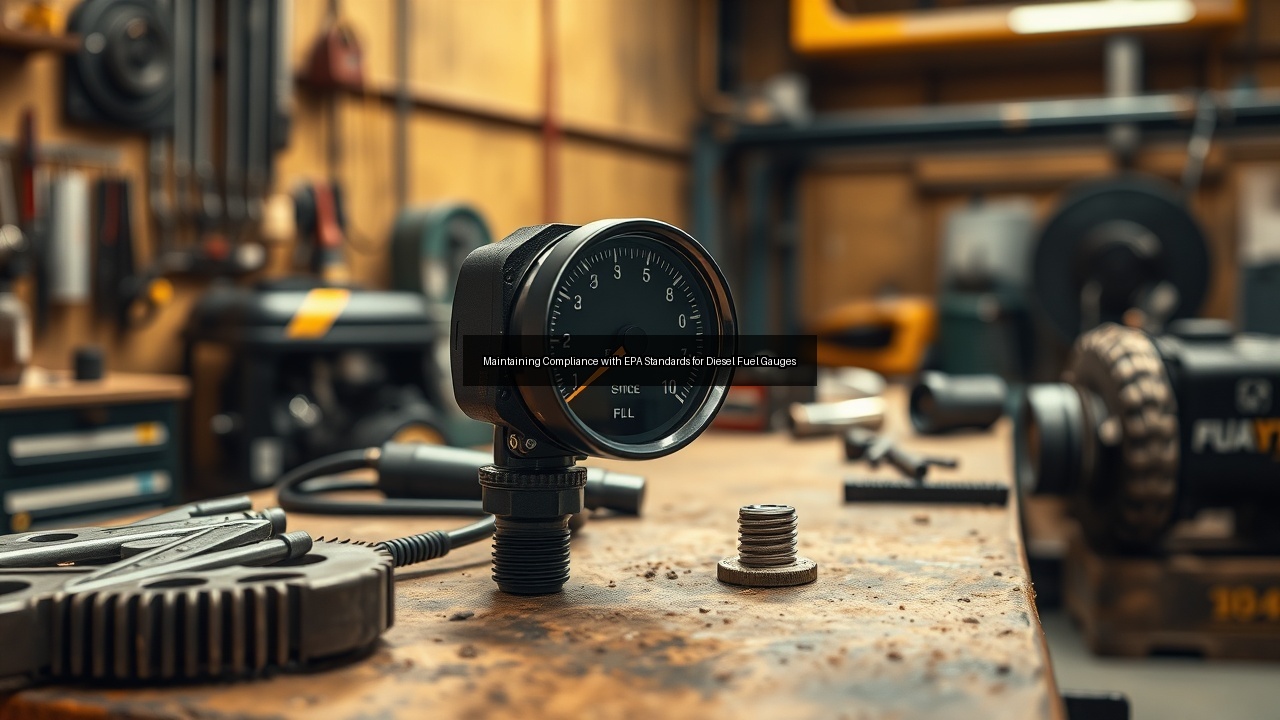
Understanding EPA Standards for Diesel Fuel Gauges
Overview of EPA Regulations
The Environmental Protection Agency (EPA) establishes regulations to ensure that diesel fuel systems operate safely and efficiently. These regulations apply to various aspects, including emissions, fuel quality, and monitoring equipment like diesel fuel tank gauges. Compliance with these standards is crucial for maintaining air quality and reducing environmental impact. The EPA mandates that diesel fuel tank gauges accurately measure fuel levels to prevent overflows and leaks, ensuring that emissions remain within permissible limits. Understanding these regulations helps operators avoid penalties and promotes responsible fuel management practices.
Importance of Compliance in the United States
Compliance with EPA standards is not just a legal obligation; it directly impacts the operational efficiency of diesel engines across the United States. Non-compliance can lead to hefty fines, operational shutdowns, and reputational damage. Industries relying on diesel fuel, from transportation to agriculture, must prioritize adherence to these regulations. Properly functioning diesel fuel tank gauges play a vital role in this compliance by providing accurate real-time data. This data informs operators about fuel levels and helps them manage fuel consumption effectively. In turn, it contributes to more efficient engine performance and reduced emissions, aligning with national sustainability goals.
Impact on Diesel Engine Performance
Accurate monitoring of diesel fuel levels through reliable diesel fuel tank gauges affects the overall performance of diesel engines. When fuel gauges provide precise readings, operators can optimize fuel usage, minimizing waste and maximizing efficiency. An improperly calibrated gauge can lead to incorrect fuel management, resulting in engine inefficiencies, increased emissions, and even damage to the engine or generator. Maintaining compliance with EPA standards ensures that diesel engines operate within their optimal parameters, contributing to better performance and longevity. This compliance not only supports environmental goals but also enhances operational profitability.
Components and Functionality of Diesel Fuel Tank Gauges
Types of Diesel Fuel Gauges
Diesel fuel tank gauges come in various types, each designed to serve specific needs. Mechanical gauges use floats and levers to provide a visual indication of fuel levels, while electronic gauges utilize sensors to deliver precise digital readings. Ultrasonic gauges employ sound waves to measure fuel levels without direct contact, offering high accuracy and reliability. Each type of gauge has its advantages and can be selected based on the operational requirements of the diesel engine or generator. Understanding the different types of gauges available allows operators to choose the best option for their fuel management needs.
How Diesel Fuel Gauges Work
Diesel fuel tank gauges function by measuring the fuel level within the tank and translating that data into a readable format. Mechanical gauges use a float that rises and falls with fuel levels, moving a needle along a dial to indicate the amount of fuel. In contrast, electronic gauges rely on sensors that detect fuel levels and send this information to a digital display. Some advanced systems integrate with monitoring software, providing real-time data that can be accessed remotely. Understanding how these gauges operate is essential for effective maintenance and calibration, ensuring that operators receive accurate information about fuel levels in their tanks.
Calibration and Maintenance of Gauges
Regular calibration and maintenance of diesel fuel tank gauges are essential to ensure accurate measurements and compliance with EPA standards. Calibration involves adjusting the gauge to ensure its readings match the actual fuel level. This process should occur periodically, especially after any repairs or replacements. Maintenance tasks include inspecting for leaks, checking electrical connections, and cleaning sensors to prevent malfunctions. Operators should develop a maintenance schedule that outlines routine checks and calibrations, ensuring that the fuel gauges function optimally and meet compliance requirements. Consistent attention to these gauges helps prevent costly errors and promotes efficient fuel management.
Tools and Techniques for Monitoring Diesel Fuel Levels
Using Technology for Accurate Measurements
Modern technology offers innovative tools for monitoring diesel fuel levels, enhancing accuracy and reliability. Digital fuel monitoring systems provide real-time data, allowing operators to track fuel consumption precisely. These systems often include features like alerts for low fuel levels, leaks, or abnormal consumption patterns, enabling timely interventions. Additionally, integrating GPS technology with fuel monitoring systems can help operators manage fuel usage across multiple locations, improving efficiency. By leveraging these technological advancements, operators can maintain compliance with EPA standards while optimizing their fuel management strategies.
Integrating Data Monitoring Systems
Integrating data monitoring systems with diesel fuel tank gauges streamlines fuel management processes. These systems collect data from multiple gauges, synthesizing it into actionable insights. Operators can analyze trends in fuel consumption, identify discrepancies, and assess the efficiency of their diesel engines or generators. A unified data monitoring system can also facilitate compliance reporting, making it easier for operators to demonstrate adherence to EPA standards. By utilizing these integrated systems, businesses can enhance operational efficiency, reduce waste, and maintain regulatory compliance with minimal effort.
Best Practices for Fuel Tank Management
Implementing best practices for fuel tank management is critical for maintaining compliance and optimizing engine performance. Regular inspections of diesel fuel tanks and gauges help identify potential issues before they escalate. Operators should keep detailed records of fuel usage, gauge calibrations, and maintenance activities to ensure transparency and accountability. Training staff on proper fuel handling and monitoring techniques fosters a culture of compliance within organizations. Additionally, establishing contingency plans for spills or leaks enhances preparedness and minimizes environmental impact. These practices not only support compliance with EPA standards but also promote a sustainable approach to fuel management.
Ensuring Compliance and Best Practices
Regular Maintenance and Inspection Protocols
Establishing regular maintenance and inspection protocols for diesel fuel tank gauges ensures accuracy and compliance with EPA regulations. Operators should create a comprehensive checklist that includes routine tasks such as visual inspections, calibration checks, and functionality tests. Documenting these inspections allows businesses to maintain a clear record of compliance efforts. Regular maintenance prevents gauge malfunctions, ensuring accurate fuel level readings that contribute to efficient engine operation. Additionally, implementing a reporting system for any discrepancies or issues identified during inspections helps address problems promptly, safeguarding compliance and operational efficiency.
Common Compliance Challenges and Solutions
Operators face various challenges when striving to maintain compliance with EPA standards for diesel fuel tank gauges. Common issues include equipment malfunctions, inaccurate readings, and insufficient training. Solutions to these challenges involve investing in quality monitoring equipment, implementing regular training sessions for staff, and developing a robust maintenance schedule. Operators can also engage with regulatory experts to stay updated on changing requirements and best practices. By addressing these compliance challenges proactively, businesses can minimize risks, reduce operational disruptions, and align with environmental regulations effectively.
The Role of Diesel Exhaust Fluid in Compliance
Diesel Exhaust Fluid (DEF) plays a crucial role in compliance with EPA emissions standards, particularly for diesel engines equipped with Selective Catalytic Reduction (SCR) systems. DEF reduces nitrogen oxide (NOx) emissions, contributing to cleaner exhaust and meeting regulatory requirements. Monitoring DEF levels in conjunction with diesel fuel levels ensures that engines operate efficiently and in compliance with EPA standards. Operators must maintain accurate records of DEF usage and incorporate DEF monitoring into their fuel management practices. By understanding the synergy between diesel fuel and DEF, operators can enhance overall compliance and support sustainable diesel engine performance.